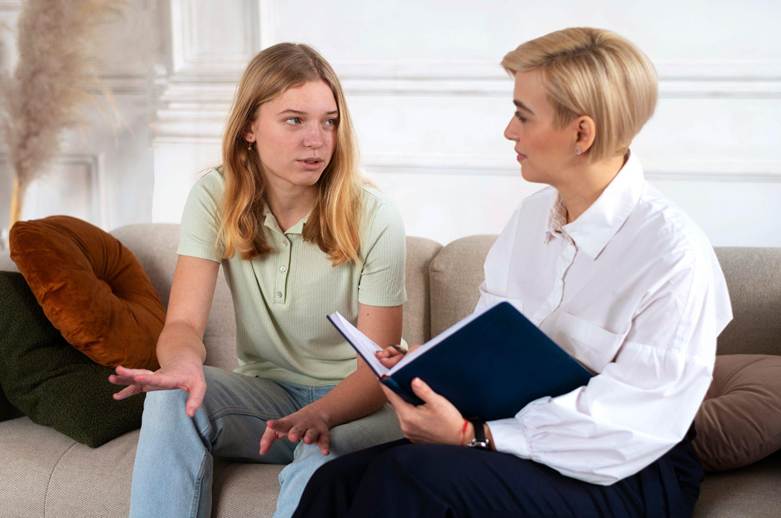

Adolescence is a period when relationships, identity, and social connections play a major role in emotional development. Eva Carlston Academy reviews therapeutic approaches and highlights how group therapy can help teenagers develop communication skills, strengthen social confidence, and learn from shared experiences while receiving guidance in a structured and supportive environment.
Many teenagers facing mental health challenges experience feelings of isolation. They may believe that others do not understand what they are going through or struggle to express emotions in healthy ways. Group therapy provides an opportunity for adolescents to connect with peers who may be facing similar challenges while learning valuable interpersonal skills.
Unlike casual peer interactions, therapeutic groups are guided by mental health professionals who help create a safe environment where teens can practice communication, emotional awareness, and problem-solving.
Understanding How Group Therapy Works
Group therapy brings together a small number of individuals who participate in structured sessions with the support of a trained therapist or counselor.
The purpose is not simply to discuss challenges. Instead, group therapy helps participants:
- Practice expressing thoughts and feelings
- Develop stronger communication skills
- Learn from different perspectives
- Build empathy and understanding
- Recognize shared experiences
For teenagers, these interactions can be especially valuable because social development is a central part of adolescence.
The group setting allows teens to explore how their actions, emotions, and communication styles influence their relationships with others.
Why Peer Connection Matters During Adolescence
Teenagers naturally place significant importance on friendships and peer relationships. Positive social connections can contribute to confidence, emotional development, and a stronger sense of belonging.
However, teens experiencing mental health challenges may struggle with:
- Trusting others
- Starting conversations
- Managing disagreements
- Expressing vulnerability
- Understanding social cues
Group therapy creates opportunities to practice these skills in a supportive setting.
Rather than learning communication strategies only through discussion, teens can apply them in real interactions with peers.
Developing Communication Skills Through Group Interaction
Effective communication is an essential life skill that influences relationships, education, and future professional experiences.
Group therapy can help teenagers develop communication skills by encouraging them to:
- Listen actively
- Share thoughts respectfully
- Express emotions clearly
- Ask for support when needed
- Respond thoughtfully to others
These skills can be challenging for adolescents who have experienced conflict, emotional struggles, or difficulty connecting with others.
With professional guidance, group settings allow teens to gradually build confidence in their ability to communicate.
Learning Through Shared Experiences
One of the unique benefits of group therapy is the opportunity to learn from others.
Teenagers may discover that their struggles are not unusual or something they have to face alone. Hearing different perspectives can help reduce feelings of isolation and encourage a greater sense of connection.
Shared experiences can teach teens:
- Different ways to approach challenges
- How others manage emotions
- The importance of empathy
- How personal experiences influence behavior
This understanding can help adolescents develop greater awareness of themselves and the people around them.
Building Confidence in Social Situations
For some teens, social situations can create anxiety or uncertainty. They may avoid conversations, hesitate to share opinions, or struggle with forming meaningful connections.
Group therapy provides a structured environment where teens can gradually practice social skills.
Through repeated interactions, adolescents can develop:
- Greater comfort speaking with others
- Increased self-awareness
- Improved emotional expression
- Stronger relationship-building skills
The goal is not to change a teen’s personality but to help them feel more capable and confident in social situations.
The Role of the Therapist in Creating a Safe Environment
A successful group therapy experience depends heavily on the guidance of a skilled mental health professional.
Therapists help groups by:
- Establishing respectful communication expectations
- Encouraging participation
- Managing difficult conversations
- Helping teens understand different perspectives
- Providing feedback and support
This structure allows teenagers to explore personal challenges while maintaining a sense of safety and accountability.
A well-guided group creates an environment where teens can be honest while learning how to interact in healthier ways.
Group Therapy and Emotional Regulation
Emotional regulation is another important skill developed through group therapy. Teenagers often experience strong emotions but may not always have the tools to manage them effectively.
Through group discussions and activities, teens can learn:
- How to identify emotions
- How to recognize triggers
- How to respond instead of reacting
- How to communicate feelings appropriately
These skills can improve relationships with family members, peers, and future communities.
How Group Therapy Supports Long-Term Growth
The benefits of group therapy often extend beyond the treatment environment. The skills developed through group interactions can influence many areas of a teen’s life.
Adolescents may apply these skills when:
- Building friendships
- Working with classmates
- Navigating disagreements
- Participating in activities
- Preparing for future responsibilities
Learning how to connect with others is not only important for mental health recovery but also for long-term personal development.
The Importance of Combining Different Therapeutic Approaches
Group therapy is often one part of a broader therapeutic experience. Many teens benefit from combining multiple forms of support based on their individual needs.
A comprehensive approach may include:
- Individual therapy
- Family involvement
- Academic support
- Skill-building activities
- Group-based experiences
Each component contributes to helping teens develop a stronger understanding of themselves and their relationships.
Creating Stronger Connections for Teen Growth
Mental health challenges can sometimes make teenagers feel disconnected from others. Group therapy provides an opportunity to rebuild connection, develop social confidence, and recognize the value of shared experiences.
By interacting with peers in a supportive and structured environment, teens can learn that vulnerability, communication, and empathy are important parts of personal growth.
Conclusion
Group therapy offers teenagers a valuable opportunity to develop social and emotional skills while connecting with others who may understand their experiences. Through guided conversations, shared learning, and meaningful interactions, adolescents can strengthen communication, confidence, and resilience.
Building healthy relationships is an essential part of growing up. By helping teens practice these skills in a supportive environment, group therapy can provide tools that continue benefiting them long after treatment ends.